
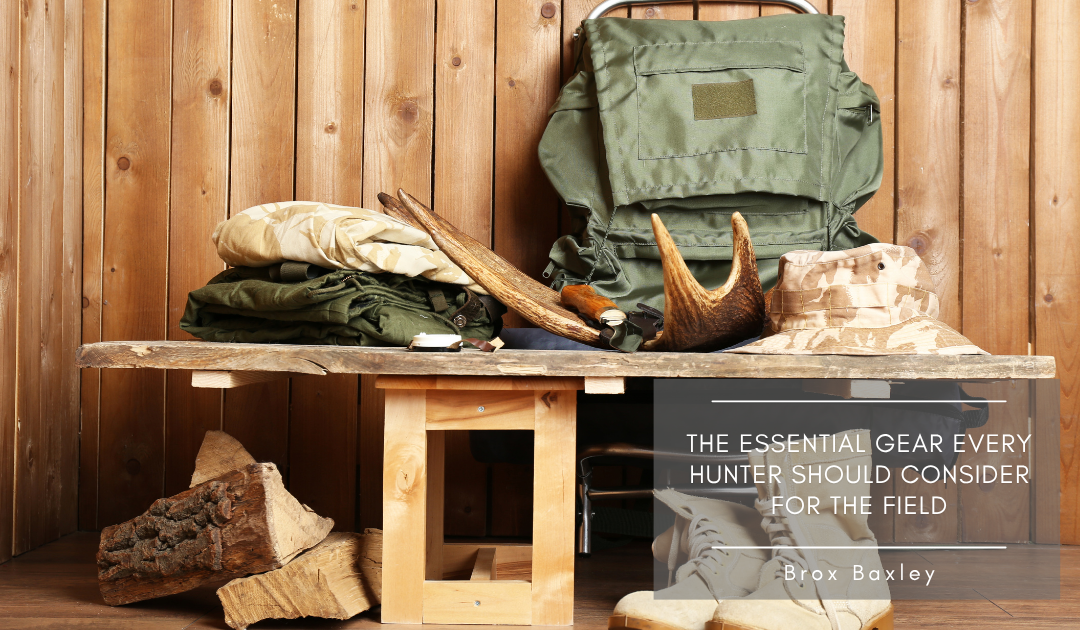
A successful day in the field starts long before you reach your hunting location. Good preparation can make the difference between an enjoyable outdoor experience and a difficult one. While hunting gear can vary depending on the terrain, weather, season, and type of hunt, having the right essentials helps you stay comfortable, organized, and prepared for changing conditions.
Clothing Built for the Environment
Your clothing is one of the most important parts of your field setup. Choose layers that match the expected weather rather than relying on a single heavy garment. Moisture-wicking base layers can help manage sweat, while insulating layers provide warmth when temperatures drop. A waterproof and wind-resistant outer layer can be particularly useful in unpredictable weather.
Footwear deserves equal attention. Durable, comfortable boots with good traction can help you move across muddy trails, rocky ground, or uneven terrain. Breaking in new boots before a hunting trip is also a smart way to avoid discomfort during long days outdoors.
Navigation and Communication Essentials
Remote outdoor areas can become difficult to navigate, particularly when visibility changes or familiar landmarks look different from another direction. A reliable map and compass remain useful even if you normally depend on electronic navigation.
A fully charged phone or GPS device can provide additional assistance, but electronic devices should not necessarily be your only navigation method. Carrying a portable power bank can help keep essential electronics running throughout the day.
Communication equipment can also be valuable when hunting with others. Depending on the location and local regulations, a two-way radio or another reliable communication method can make it easier to stay connected with your group.
A Well-Prepared Field Pack
A properly organized backpack can carry many of the smaller items you may need throughout the day. Water should be a priority, especially during physically demanding trips. Consider carrying additional water or a suitable filtration or purification method when appropriate for the environment.
Basic food or high-energy snacks can help maintain energy during long hours outdoors. A compact first-aid kit is another essential. It should contain practical supplies for treating minor cuts, blisters, scrapes, and other common outdoor injuries.
Other useful items may include a headlamp or flashlight, extra batteries, waterproof matches or another appropriate fire-starting method, a multi-purpose tool, protective gloves, and weather protection.
Optics and Field Observation
Quality optics can make observing distant terrain and wildlife easier. Depending on the type of hunting and local regulations, binoculars can be useful for scanning areas without constantly moving through the landscape.
When selecting optics, consider factors such as weight, durability, magnification, and performance in low-light conditions. The best option is often the one you can comfortably carry and use for extended periods.
Safety and Responsible Preparation
Gear should never replace good judgment. Before heading into the field, check the weather forecast, understand the terrain, inform someone about your plans, and familiarize yourself with applicable hunting regulations.
Personal safety equipment should also reflect the environment. Visibility gear may be appropriate in areas where required or recommended, while suitable protective clothing can help with weather and terrain-related challenges.
Most importantly, make sure you understand and follow local laws concerning seasons, permitted equipment, protected species, land access, and safe hunting practices.
Prepare for the Day, Not Just the Hunt
The right hunting gear is not necessarily the gear with the longest list of features. Practicality, reliability, comfort, and suitability for the environment are often more valuable. Before every trip, think about where you are going, how long you will be there, what conditions you may encounter, and what you would need if plans changed unexpectedly.
With thoughtful preparation and dependable equipment, hunters can spend less time worrying about what they forgot and more time appreciating the experience of being outdoors.