
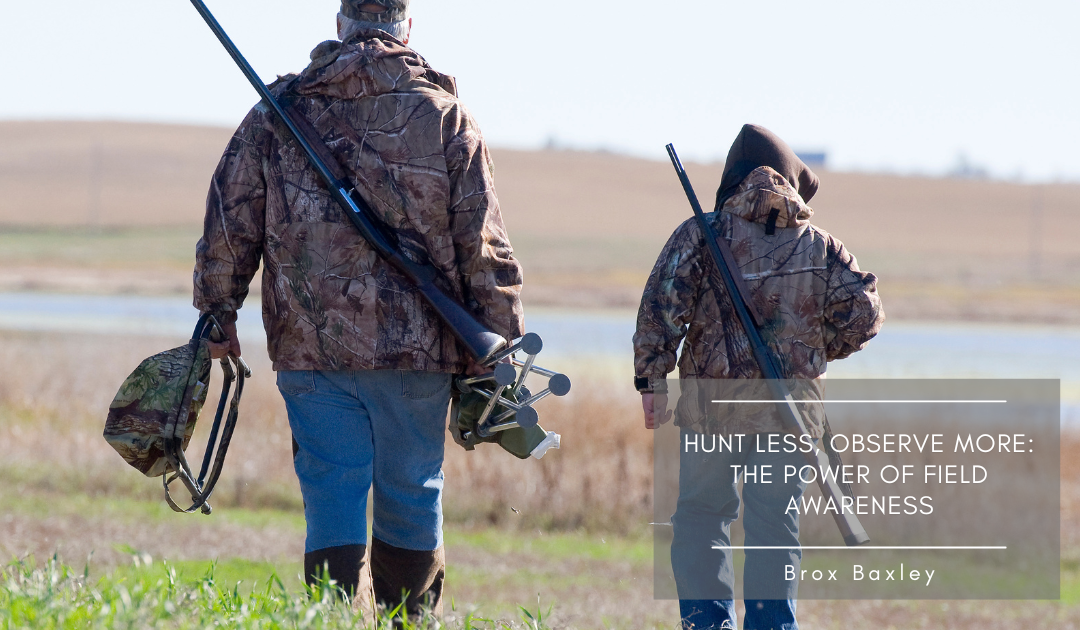
In hunting, it’s easy to believe that success comes from covering more ground, moving faster, or constantly searching for game. However, experienced hunters know that the opposite is often true. Some of the most rewarding hunts happen when you slow down, stay still, and let the woods reveal their secrets.
Field awareness is one of the most valuable skills a hunter can develop. It’s the ability to observe your surroundings, understand animal behavior, and recognize subtle changes in the environment before making your next move. Hunting becomes less about chasing wildlife and more about reading the landscape with patience and purpose.
The Woods Are Always Communicating
Nature is constantly sending signals. A flick of a deer’s tail, the sudden silence of songbirds, fresh tracks in damp soil, or the direction of a light breeze all provide valuable information. Hunters who pay attention to these details often gain an advantage long before they spot an animal.
Instead of focusing only on where game might appear, train yourself to notice the entire environment. Watch how the wind moves through the trees, listen for distant movement, and observe natural travel corridors. Every clue contributes to a better understanding of what’s happening around you.
Movement Can Be Your Biggest Enemy
Many hunters unintentionally reduce their chances by moving too often. Every unnecessary step creates noise, disturbs scent patterns, and increases the likelihood of being detected by wildlife with highly developed senses.
Choosing a strategic location and remaining patient often produces better results than continuously walking through the woods. Wildlife follows natural routines, and when you position yourself correctly, animals may come to you without realizing you’re there.
Patience isn’t inactivity—it’s an active decision to observe before acting.
Learn Before You Hunt
Field awareness begins long before opening day. Spending time scouting without carrying a weapon helps you understand the habits of local wildlife without the pressure of making a harvest.
Look for feeding areas, bedding cover, water sources, trails, rubs, scrapes, feathers, droppings, and other natural signs. Notice how these locations change with weather, food availability, and seasonal conditions.
The more familiar you become with the landscape, the fewer surprises you’ll encounter during the season.
Let Wildlife Teach You
Every encounter in the field offers an opportunity to learn. Even when an animal detects you and disappears, ask yourself why it happened.
Did the wind shift?
Were you silhouetted against the skyline?
Did you move at the wrong moment?
Did natural cover hide your approach effectively?
Hunters who reflect on these moments improve far more quickly than those who blame bad luck. Every outing builds experience, whether or not it ends with a successful harvest.
Sharpen All Five Senses
Successful hunting isn’t limited to eyesight. Hearing, smell, and even touch play important roles in understanding your surroundings.
Listen for breaking branches, rustling leaves, distant calls, or approaching footsteps. Feel changes in wind direction on your face. Pay attention to unusual smells that may indicate nearby wildlife or changing weather conditions.
When all your senses work together, your awareness expands beyond what your eyes alone can detect.
Respect the Pace of Nature
Wildlife doesn’t operate on a human schedule. Animals move according to food availability, weather conditions, breeding activity, and safety. Trying to force the hunt often leads to frustration.
By slowing down and matching the rhythm of nature, hunters become part of the environment rather than an interruption within it. This mindset creates more meaningful experiences and often leads to better hunting opportunities.
Success Beyond the Harvest
A successful hunt isn’t measured solely by filling a tag. Some of the greatest achievements happen without taking a shot at all. Observing a mature buck moving naturally through the timber, watching wild turkeys interact at sunrise, or witnessing untouched wilderness come alive are experiences that deepen a hunter’s appreciation for the outdoors.
Field awareness transforms hunting into more than a pursuit of game—it becomes an ongoing education in wildlife behavior, habitat, and conservation.
Final Thoughts
The best hunters aren’t always the ones who cover the most ground. They’re the ones who understand when to stop, watch, and listen. Developing strong field awareness takes time, patience, and consistent practice, but the rewards extend far beyond increased hunting success.
The next time you head into the woods, challenge yourself to hunt less and observe more. You may discover that nature reveals its greatest lessons not when you’re moving through it, but when you’re quietly becoming part of it.