
Introduction
Successful hunting involves more than choosing the right equipment or finding a promising location. Understanding the natural environment is equally important, and wind direction is one of the most valuable factors to consider. Wind influences how animals detect danger, how scents travel through the landscape, and how hunters should plan their movements. By learning to observe and interpret wind conditions, hunters can make better decisions, improve their field awareness, and enjoy a more responsible outdoor experience.
Whether you are exploring dense woodland, open grassland, or rugged mountain terrain, understanding the wind can help you prepare for changing conditions and avoid common mistakes.
Why Wind Direction Matters in Hunting
Many wildlife species have a highly developed sense of smell. Deer and other mammals, for example, often use scent to identify potential predators and recognize changes in their surroundings. Even when a hunter remains quiet and out of sight, their scent may travel through the air and alert nearby animals.
Wind direction determines where airborne scents are carried. When the wind blows from a hunter toward an animal, the animal may detect the unfamiliar scent before the hunter gets a clear view of it. This can cause wildlife to become alert, change direction, or leave the area.
Understanding wind direction allows hunters to assess the conditions before entering a location. Instead of relying entirely on luck, they can make informed choices based on animal behavior, terrain, and weather patterns.
How to Check Wind Direction in the Field
Checking the wind should be part of your preparation before every hunting trip. Weather forecasts provide a useful starting point, but local conditions may differ significantly from what is predicted.
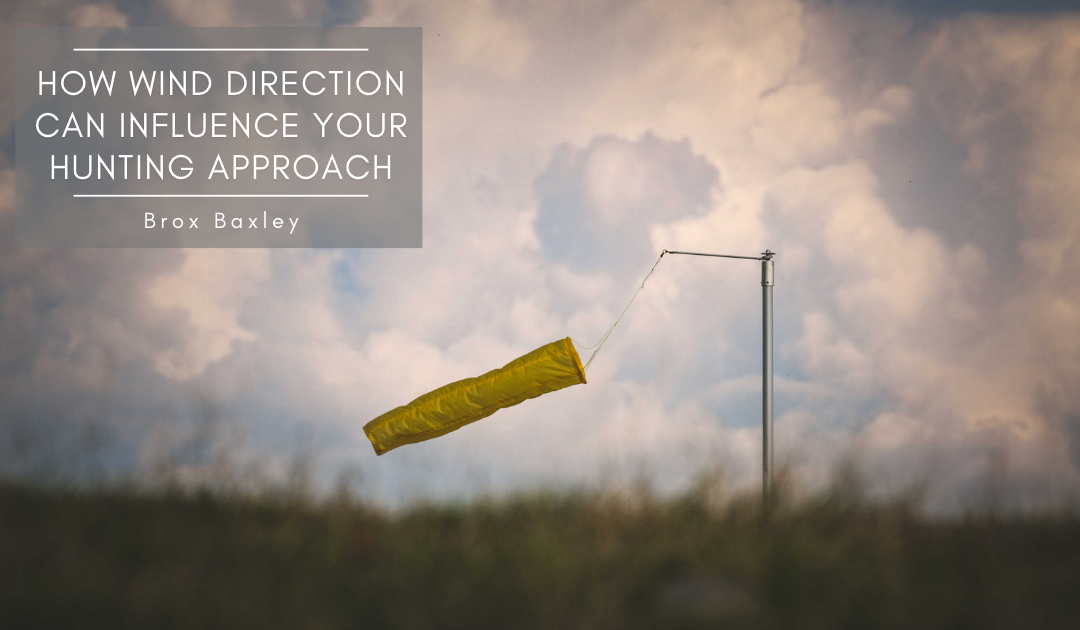
A small wind indicator, such as a purpose-made powder dispenser or lightweight ribbon, can help reveal the direction in which air is moving. Some hunters also observe grass, leaves, and other vegetation to identify subtle changes in airflow.
It is important to remember that wind direction describes where the wind comes from, not where it is going. For example, a north wind generally blows from the north toward the south.
Check the wind periodically rather than assuming it will remain constant throughout the day. Temperature changes, hills, valleys, and forest cover can create shifting air currents that are difficult to predict from a general forecast alone.
Understanding Terrain and Changing Air Currents
The landscape can influence wind just as much as the weather does. Open fields may experience relatively steady airflow, while wooded areas can contain swirling currents caused by trees, uneven ground, and changes in elevation.
Hillsides and valleys can also experience different airflow patterns throughout the day. As temperatures rise or fall, air may move uphill or downhill, creating conditions that differ from the prevailing wind direction.
These changes make observation essential. A location that appears suitable during the early morning may have different wind conditions later in the day. Before choosing a route or settling into a position, consider how nearby terrain might redirect the wind.
Paying attention to these details also encourages a deeper understanding of the environment and helps hunters become more adaptable in unfamiliar locations.
Planning Your Hunting Approach Around the Wind
A thoughtful hunting plan takes wind direction into account alongside visibility, terrain, access routes, and wildlife activity. Before leaving your starting point, check the forecast and identify possible changes in direction or speed.
Avoid assuming that one wind direction will remain favorable for the entire outing. If conditions change unexpectedly, reassess your surroundings and adjust your plans when appropriate. Moving carefully and minimizing unnecessary disturbance can help reduce your impact on wildlife.
Wind awareness should never replace other essential considerations, including safe firearm handling, clear identification of targets, and compliance with local hunting regulations. Always prioritize safety and ethical decision-making over the desire to continue a hunt under unfavorable conditions.
Common Wind-Related Mistakes to Avoid
One frequent mistake is checking the wind only once at the beginning of a trip. Conditions can change quickly, particularly in varied terrain.
Another mistake is relying exclusively on a weather application without observing the immediate surroundings. Forecasts are useful, but they cannot always capture localized air currents.
Hunters may also overlook the influence of their own movement, clothing, equipment, and other sources of scent. Remaining aware of these factors helps develop a more complete understanding of how human presence affects the environment.
Finally, avoid treating wind direction as a guarantee of success. Wildlife behavior depends on numerous factors, including food availability, seasonal movement, temperature, pressure, and human disturbance.
Conclusion
Wind direction is an important part of understanding wildlife behavior and preparing for a successful hunting experience. By checking local conditions, studying terrain, recognizing changing air currents, and adjusting plans responsibly, hunters can become more observant and better prepared.
The greatest benefit of learning about wind is not simply improving hunting opportunities. It is developing a stronger connection with the outdoors and understanding how natural forces influence the world around us. With patience, practice, and respect for wildlife, wind awareness can become a valuable skill on every hunting trip.