
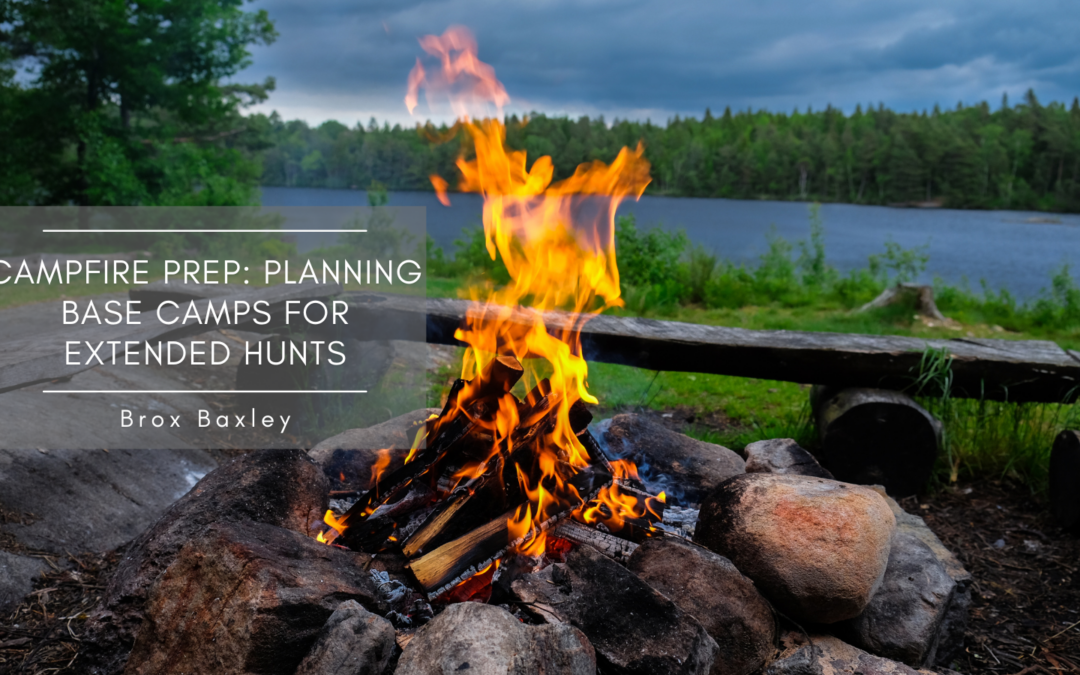
Extended hunting trips offer an unparalleled experience to immerse yourself in nature, challenge your skills, and potentially bring home a trophy. However, a successful long-duration hunt begins with proper planning and preparation, especially when it comes to setting up your base camp. A well-organized camp will ensure that you have the resources and comfort needed to stay safe, warm, and focused on your hunting goals. Here’s how to plan your base camp for an extended hunt.
1. Choose the Right Location
The first step in setting up a base camp is selecting a strategic location. Ideally, your camp should be close to your hunting area but not so close that it interferes with wildlife movement. Look for flat, dry ground with easy access to water sources like rivers or streams, but avoid setting up near areas prone to flooding. Consider the prevailing winds, too—placing your camp downwind of your hunting zone ensures you won’t alert game to your presence. Lastly, check local regulations to ensure you’re allowed to camp in the chosen area.
2. Set Up for Comfort and Safety
Comfort may seem secondary in the wilderness, but a well-organized camp can make a big difference on a multi-day hunt. Begin by selecting a sturdy tent that can withstand the elements. Whether you’re facing rain, snow, or high winds, choose a model that’s weather-resistant and spacious enough to fit your gear, sleeping bag, and clothes. Bring a comfortable sleeping pad or inflatable mattress to ensure you get the rest you need.
Safety should also be a priority. Set up your camp away from unstable cliffs or rockslides and always keep a safe distance from wildlife trails. If possible, establish a designated “clean area” for cooking and food storage to prevent attracting animals into your living space.
3. Food and Water Storage
Access to clean water is essential. Carry a portable water filter or purification tablets, especially if your water source isn’t guaranteed to be potable. Store all food in bear-proof containers or hang it at least 10 feet off the ground to avoid attracting predators. Keep meals simple but calorie-dense—freeze-dried meals, jerky, and trail mix work well for extended hunts.
4. Pack for Efficiency
When setting up camp, don’t forget your hunting gear. Organize your pack to keep essentials easily accessible, and set up your hunting gear in a designated spot to avoid packing and unpacking it repeatedly. Always be ready to head out for a hunt without much delay.
Conclusion
Planning your base camp is key to making an extended hunting trip enjoyable and successful. By choosing the right location, staying organized, and ensuring access to essential resources, you’ll set yourself up for a smooth, productive hunt. A well-prepared camp lets you focus on what truly matters—the hunt itself.