
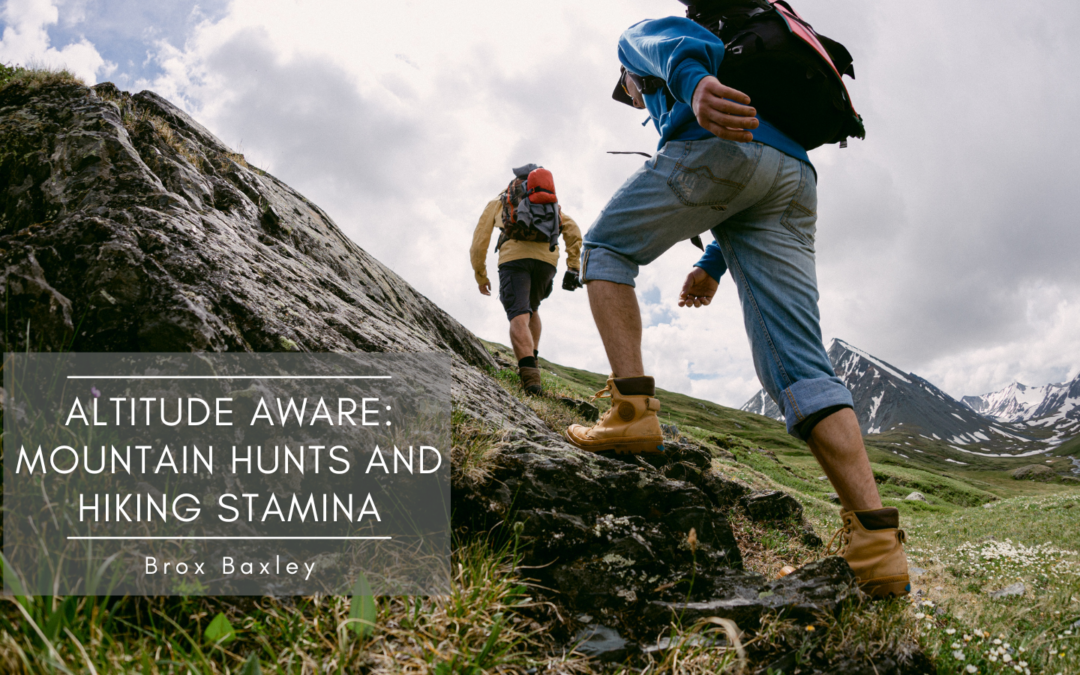
Hunting in the mountains is one of the most rewarding, yet physically demanding experiences. The combination of rugged terrain, high altitudes, and varying weather conditions requires not only sharp hunting skills but also excellent stamina and preparation. Altitude plays a significant role in how your body reacts to the environment, which is why it’s crucial to train and prepare for mountain hunts. Here’s how altitude affects your hunt and the steps you can take to improve your hiking stamina for a successful adventure.
Understanding Altitude’s Impact
When you hunt at high altitudes, typically above 8,000 feet, the decrease in oxygen levels can cause physical challenges. At higher elevations, your body has to work harder to get the oxygen it needs, which can lead to fatigue, shortness of breath, and even altitude sickness. These effects can slow you down, which is problematic when you’re trying to cover ground while hunting. It’s important to be aware of these risks and to condition your body for the altitude before you embark on your mountain hunt.
Gradual Acclimatization is Key
The best way to combat the challenges of high-altitude hunting is through gradual acclimatization. Spend time at higher elevations before your hunt begins to allow your body to adjust. If possible, take a few days to hike and explore the area you plan to hunt in. This will help your body produce more red blood cells to carry oxygen more efficiently. If you’re coming from a lower elevation, it’s advisable to avoid jumping straight into a hunt at altitudes above 8,000 feet—give your body time to adjust and avoid rushing into strenuous activities.
Building Hiking Stamina for the Mountains
Building the necessary hiking stamina for mountain hunts involves more than just walking on flat terrain. Prepare by training in similar conditions, like climbing hills, stairs, and steep terrain. Focus on exercises that build your cardiovascular fitness, leg strength, and endurance. Stair climbing, hiking with a weighted backpack, and interval training are all excellent ways to mimic the strain your body will experience while hunting in the mountains. These exercises will strengthen your heart, lungs, and legs, all critical components for hiking at altitude.
Additionally, consider incorporating strength training exercises such as squats, lunges, and leg presses to build the lower body strength necessary for climbing and navigating rocky trails. This will make each step feel more controlled and reduce the risk of injury as you maneuver through challenging terrain.
Hydration and Nutrition
Hiking at high altitudes increases your body’s need for hydration and proper nutrition. The dry mountain air can quickly lead to dehydration, which can exacerbate the effects of altitude sickness. Make sure to drink plenty of water throughout the day and carry enough hydration for the hike. Eating nutrient-dense, easily digestible snacks, such as nuts, energy bars, and dried fruit, can keep your energy levels high while hiking. Consuming foods high in potassium and magnesium can help reduce muscle cramps and fatigue.
Pacing Yourself
When hiking in the mountains, pace is everything. High-altitude hunts are often a marathon, not a sprint. It’s important to maintain a slow, steady pace to avoid overexerting yourself. If you feel short of breath or dizzy, take breaks and allow your body to recover. Being mindful of your physical limits is key to a successful hunt at altitude.
Conclusion
Mountain hunts are a unique and challenging experience that requires more than just hunting skills—it demands physical stamina and mental resilience. By understanding the impact of altitude, gradually acclimatizing to higher elevations, and focusing on hiking stamina, you can enhance your ability to navigate the rugged terrain and make the most of your hunt. With the right preparation, you’ll be ready to take on the mountains and enjoy a successful, fulfilling hunting adventure.